
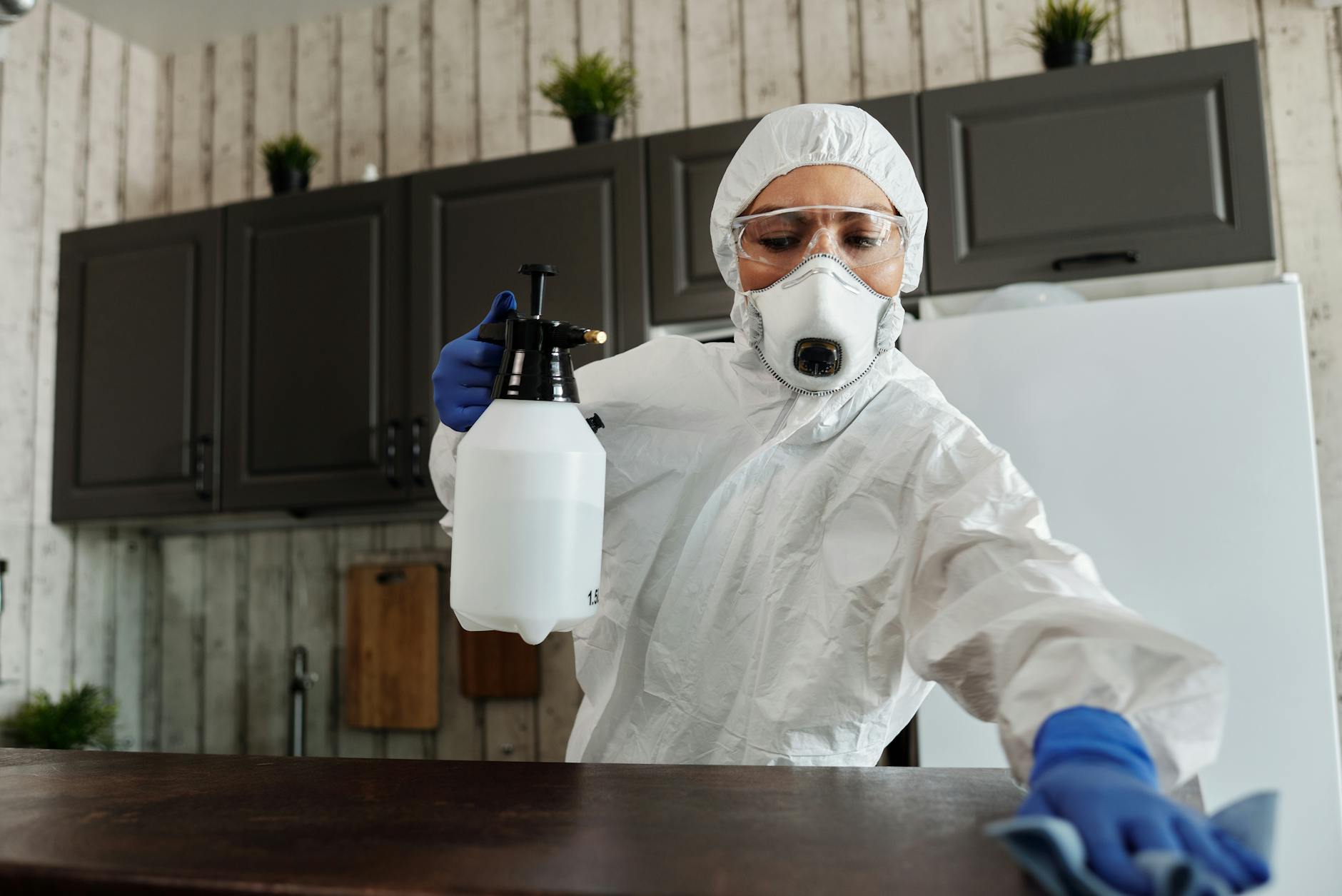
Across healthcare, food production, and facility management, effective hygiene depends on more than just routine cleaning. Disinfection – the process of reducing or eliminating harmful microorganisms on surfaces and equipment – is a vital safeguard against contamination and infection. Yet not all approaches are the same. Understanding the main methods used in professional environments helps organisations select the right process for each application, balancing safety, speed, and compliance.
Differentiating cleaning, disinfection, and sterilisation
In professional hygiene, cleaning removes organic matter such as dirt and residues, but it does not necessarily destroy pathogens. Disinfection targets the remaining microorganisms through chemical or physical means, while sterilisation eliminates all forms of microbial life, including spores.
Disinfection therefore forms the practical bridge between everyday cleaning and more intensive sterilisation. The selected process must reflect the required hygiene level, surface type, and risk of contamination. For example, routine environmental cleaning in offices or schools may use low-level disinfectants, while hospitals require high-level disinfection for patient-contact areas and medical devices.
Chemical methods and their applications
Chemical disinfection remains the most common approach across professional sectors. It involves applying biocidal agents such as quaternary ammonium compounds (QACs), alcohols, peroxides, or chlorine-based formulations to contaminated surfaces.
Each active ingredient offers different benefits: QACs provide residual antimicrobial activity, alcohols ensure rapid evaporation for small surfaces, and hydrogen peroxide delivers strong oxidising power without persistent residues. Selection depends on the target organisms, surface compatibility, and regulatory classification under the EU Biocidal Products Regulation (BPR).
In high-risk settings like healthcare, chemical methods of disinfection are validated through standardised efficacy testing (EN 1276, EN 13697, EN 14476) to ensure reliable performance under real-world conditions. Documented validation and traceability are critical components of compliance audits.
Physical disinfection technologies
While chemical agents dominate most hygiene programmes, physical processes also play an important role. Heat, ultraviolet (UV) light, and steam are examples of physical methods that inactivate microorganisms without chemical residues.
Thermal disinfection – used in washer-disinfectors for instruments and food-contact equipment – applies controlled heat over specific time intervals. UV systems, increasingly used in healthcare and transportation, provide non-contact disinfection of air and surfaces, though their efficacy depends heavily on exposure time and distance.
Physical methods are often used as complementary measures rather than standalone solutions, particularly in critical environments where layered protection ensures more robust microbial control.
Integration and compliance in hygiene programmes
Selecting the right disinfection method is not only about microbiological efficacy but also about process integration. The chosen approach must fit seamlessly into daily operations, align with equipment compatibility, and meet regional safety regulations. Staff training is essential to guarantee that contact times, dilution ratios, and application techniques are applied correctly every time.
Quality assurance systems under ISO 9001 or ISO 13485 increasingly include hygiene documentation and traceability of disinfectant use. Regular audits and data-driven monitoring help verify compliance and drive continuous improvement across facilities.
Building a resilient hygiene strategy
Modern hygiene management involves a combination of cleaning, disinfection, and verification supported by evidence-based procedures. Continuous innovation—such as sustainable formulations and automation—allows facilities to maintain effectiveness while reducing environmental impact and operator exposure.
By understanding the range of available disinfection techniques, professional users can tailor their hygiene programmes to meet sector-specific standards, protect personnel, and maintain consistent operational safety.

